
Concrete Slabs & Flatwork
Solid, level surfaces for sheds, garages, equipment pads, and any project that needs a reliable foundation.
What Flatwork Covers
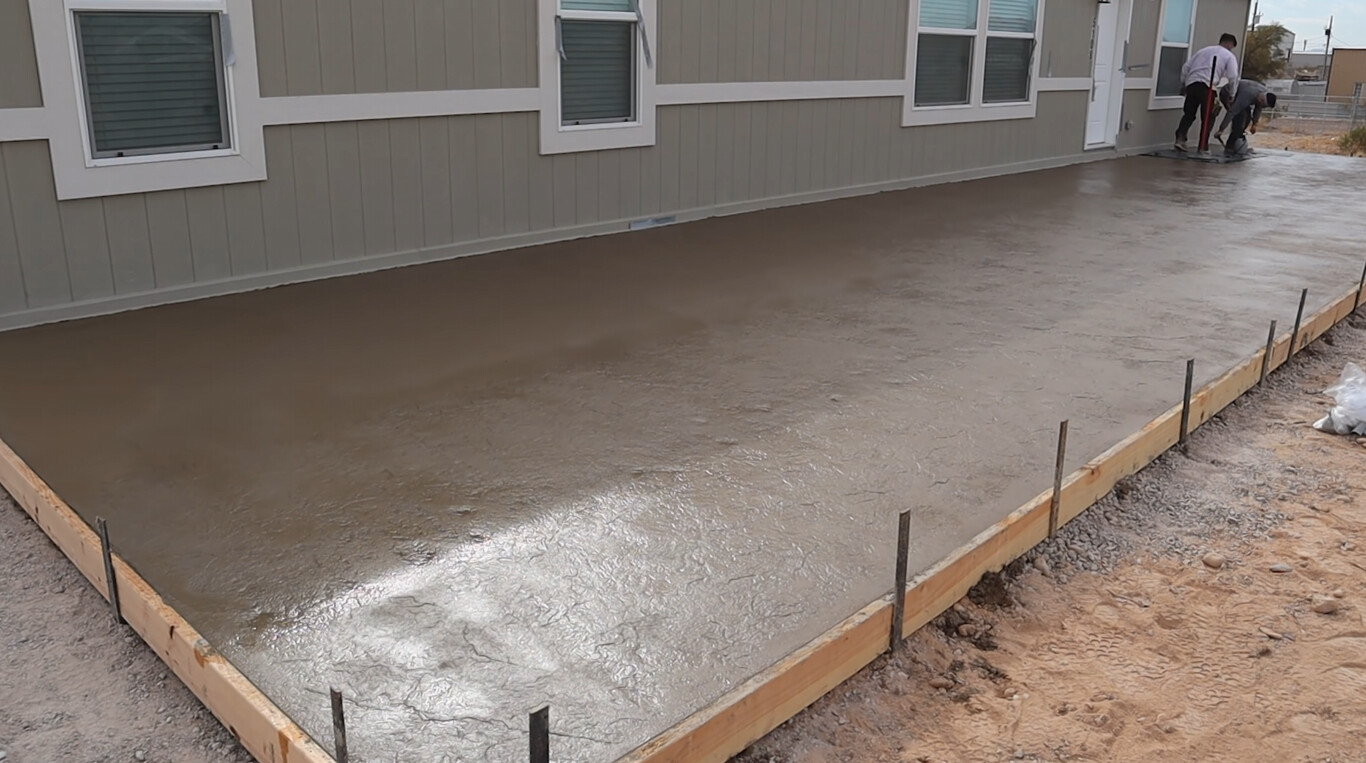
Concrete flatwork refers to any horizontal concrete surface that doesn't involve vertical walls or complex structures. This includes garage floor concrete, shed pads, equipment pads for HVAC units or generators, workshop floors, barn floors, and general utility areas. In Franklin, TN, we install flatwork for both residential and commercial properties, creating durable surfaces that handle heavy loads and stand up to years of use.
The beauty of concrete slabs lies in their versatility and longevity. Once properly installed, a concrete slab requires almost no maintenance while providing a clean, level surface for whatever you need to store or build. Unlike gravel that shifts or dirt that turns to mud, concrete gives you a permanent solution that stays functional in all weather conditions. Your equipment stays cleaner, your buildings sit more securely, and you avoid the ongoing costs of maintaining inferior surfaces. That's why concrete floor installation is one of the most practical upgrades a Franklin property owner can make.
Common Applications
We pour concrete slabs for a wide variety of purposes around Franklin properties. Each application has specific requirements for thickness, reinforcement, and finish. Here's how we approach different types of flatwork projects.
Slab and Flatwork Uses
- Garage floors: Properly sloped for drainage with smooth or textured finish options
- Storage shed pads: Level foundations that keep buildings dry and stable
- RV and boat parking: Heavy-duty slabs designed for vehicle weight and turning
- Equipment pads: Reinforced bases for air conditioners, generators, and pool equipment
- Workshop floors: Durable surfaces that handle tools, equipment, and workspace demands
- Loading areas: Commercial-grade slabs for delivery access and material handling
Proper Slab Installation
A quality concrete slab starts with thorough site preparation. We excavate to the proper depth, removing any organic material and unstable soil. Then we install and compact a gravel base that provides stable support and allows water to drain away from the slab. This base preparation is especially important in Franklin's clay soils, which can expand and contract with moisture changes. A solid base prevents settling that leads to cracked or uneven concrete.
We determine the appropriate slab thickness based on what you'll use it for. A basic shed pad might be 4 inches thick, while an RV parking area needs 6 inches or more. We install reinforcement using wire mesh or rebar, depending on the load requirements. This reinforcement holds the concrete together even if small cracks develop over time. For larger slabs, we include control joints that guide where any natural cracking occurs, keeping it minimal and manageable.
The finishing process depends on how you'll use the slab. Garage floors typically get a smooth trowel finish, similar to our driveway work. Outdoor equipment pads might get a broom finish for better traction. We can also slope slabs slightly for water drainage or create level surfaces where precise flatness matters. After pouring and finishing, proper curing ensures the concrete reaches its full strength, creating a durable surface that serves you well for decades.
Planning Your Slab Project
Before we start any slab installation, we discuss your specific needs and site conditions. We'll evaluate soil quality, drainage patterns, and access for our equipment. If you're planning to build a structure on the slab, we make sure the dimensions and anchoring points match your building's requirements. For properties with challenging terrain or drainage issues, we can incorporate solutions like retaining walls or proper grading to create a suitable location for your slab.